
A lake and a campground on the side of a hill. That was all I recall of a family camping trip, over 60 years ago, to the Cypress Hills. This past summer, I returned to the area. The lake was there. The campground is there but appears to have a lot more trees than I remember. In addition there is a small town with a very nice park area alongside the lake. And in actuality, there are several great campgrounds in the area.
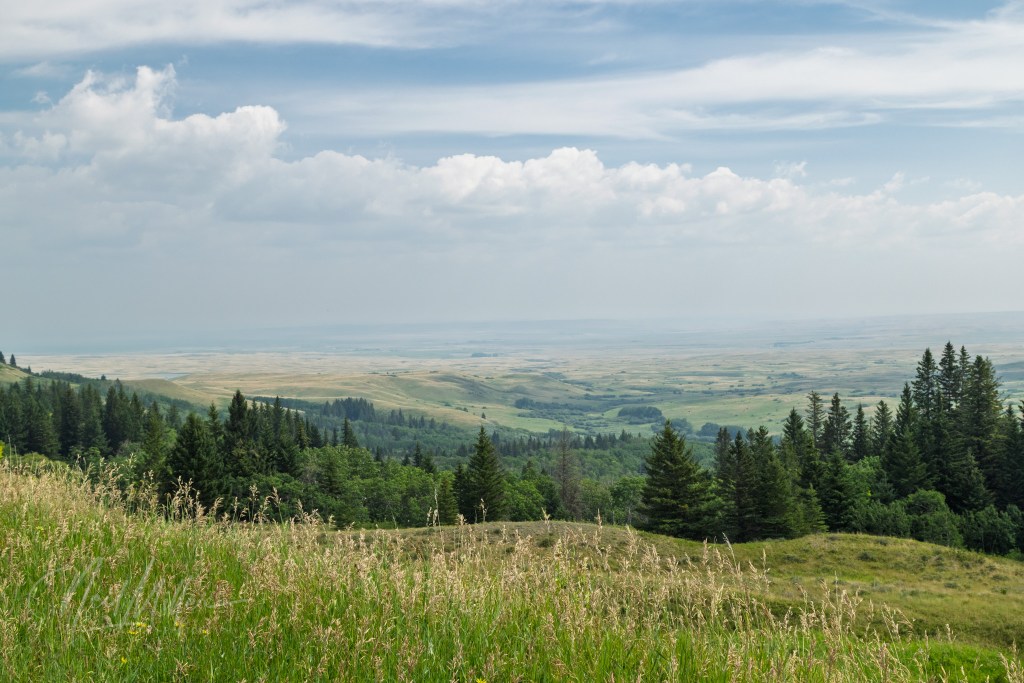
The Cypress Hills are a somewhat unique geographic feature in Southeastern Alberta and Southwestern Saskatchewan. They are essentially composed of layers of sedimentary rock built up from sand and gravel deposits from ancient rivers flowing from the Rocky Mountains. They are the highest points of land between the Rockies and Labrador. Today they are home to the Cypress Hills Interprovincial Park extending from Saskatchewan into Alberta.
The region played an important part in Canadian history as the site of the Cypress Hills Massacre. In 1873, a group of wolf hunters out of Montana ventured north in search of some stolen horses. They ultimately massacred a small band of Assiniboine who they falsely believed had stolen the horses. The massacre served as a catalyst for the formation of the North-West Mounted Police and the establishment of Fort Walsh in southwestern Saskatchewan.
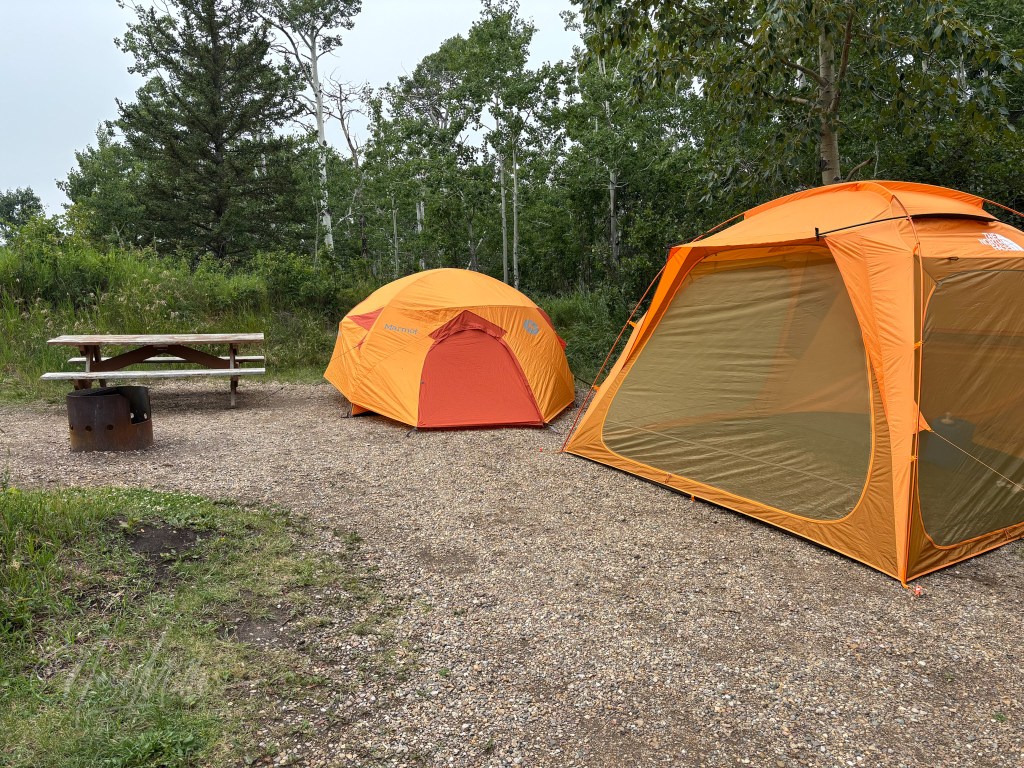
During my trip, this past summer, I stayed in the campground on the edge of Elkwater, Alberta. From there, I spent a couple of days exploring the area, sticking to the Alberta side of the Interprovincial Park.


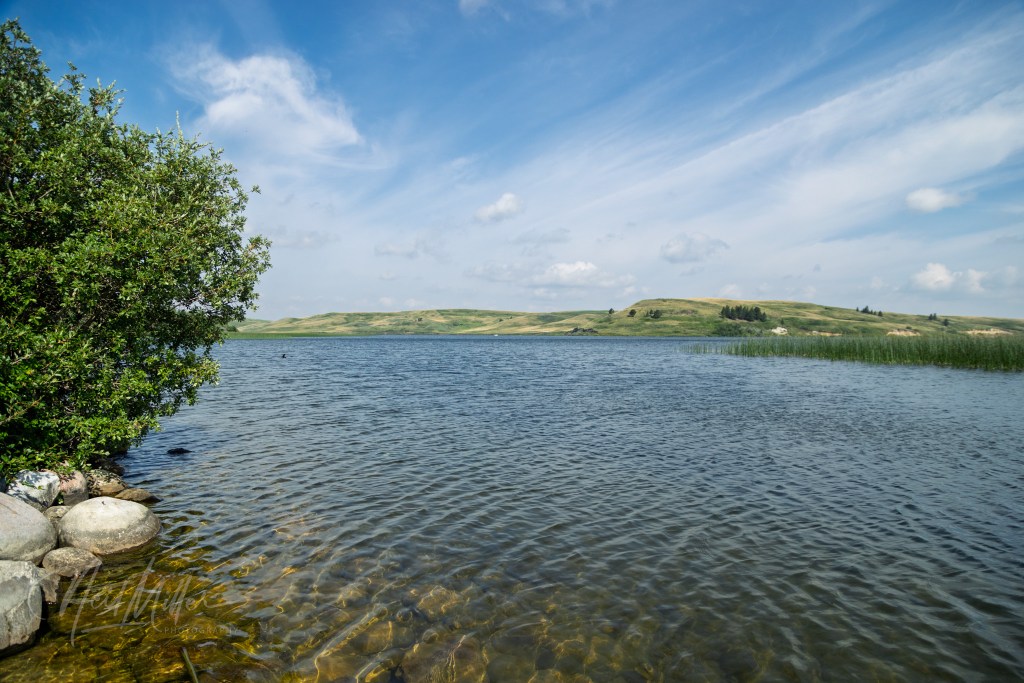
The town of Elkwater sits on the southern shore of Elkwater Lake and seems to be comprised mainly of summer homes. It has a beautiful little park and beach alongside the lake.



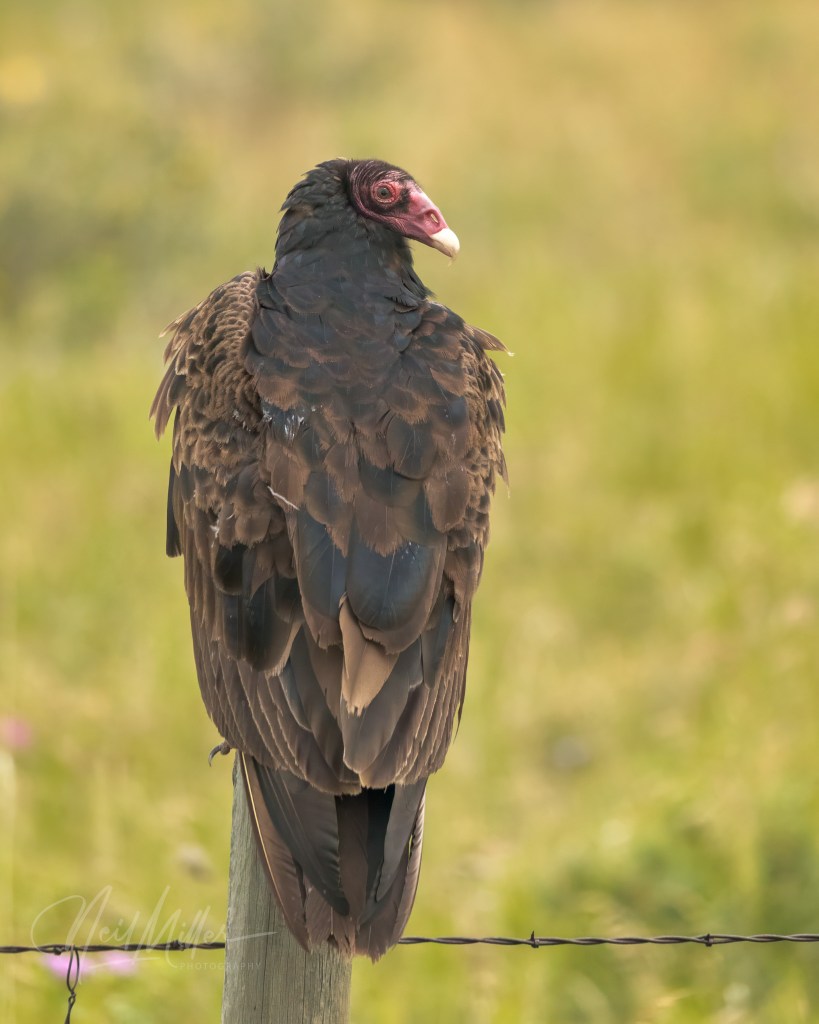
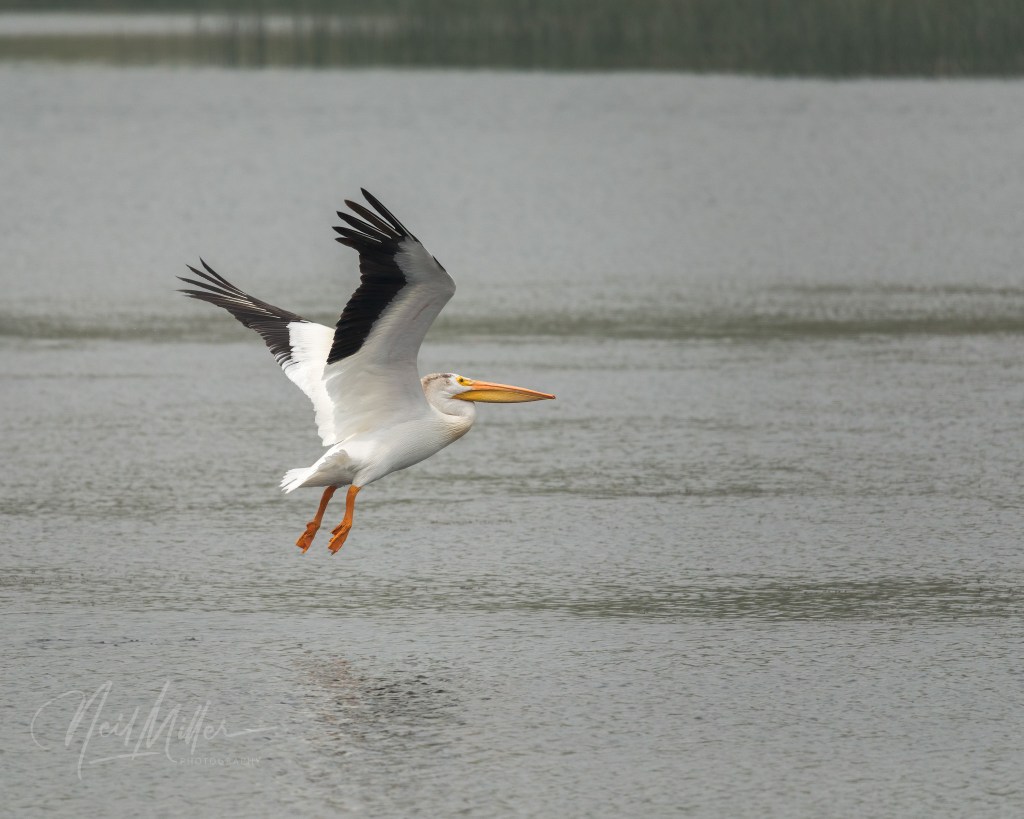
The area hosts a wealth of wildlife, some of which I was fortunate enough to capture with my camera.

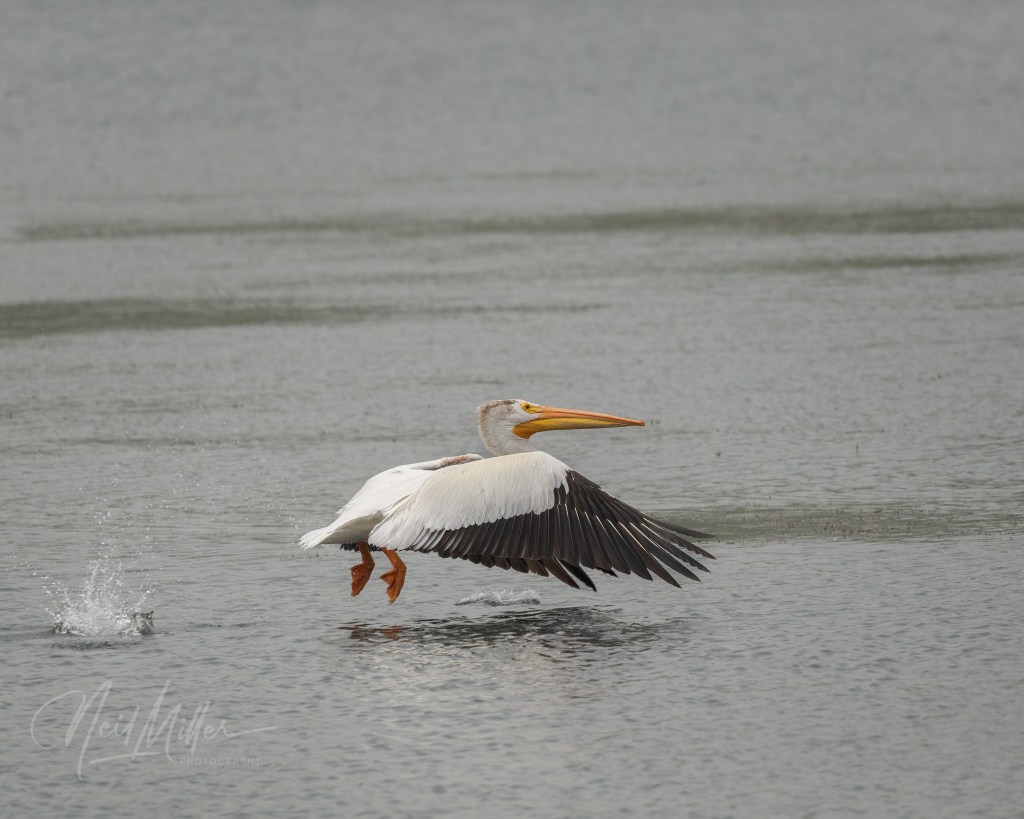
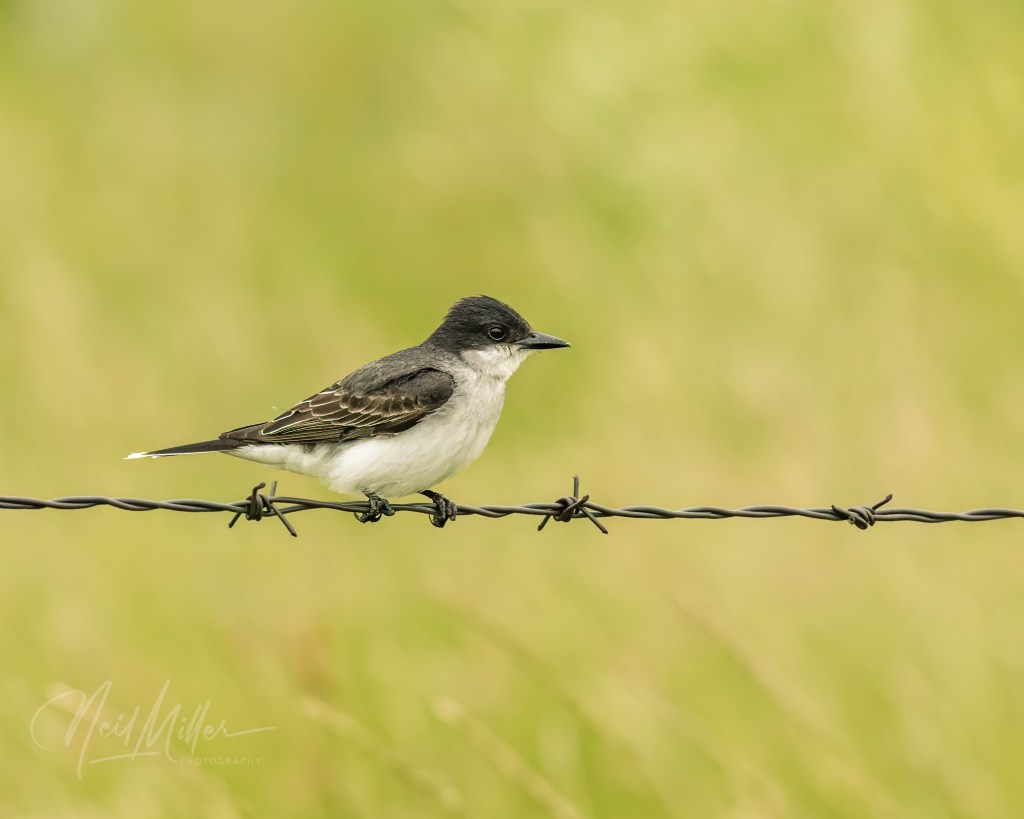


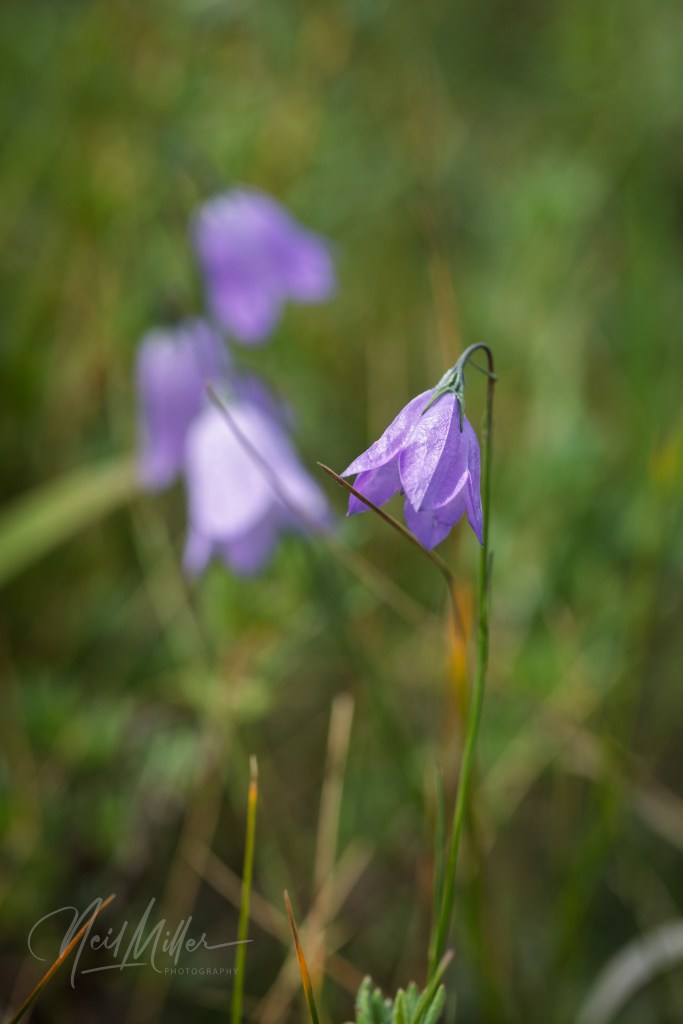
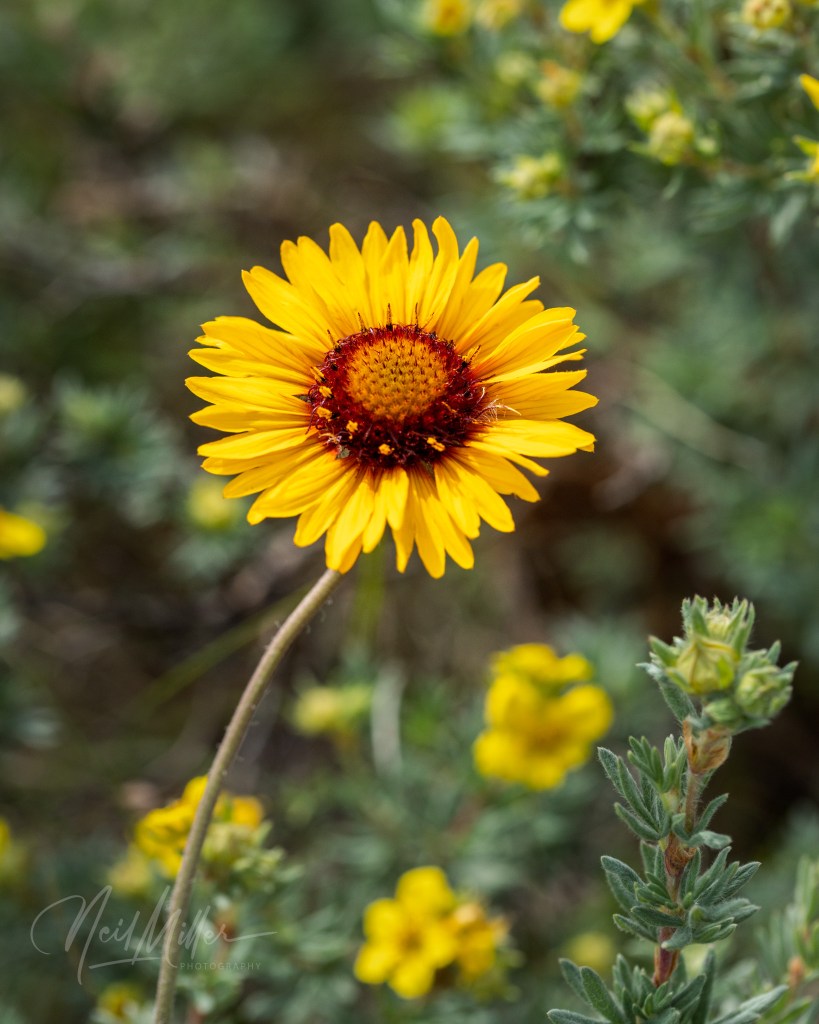
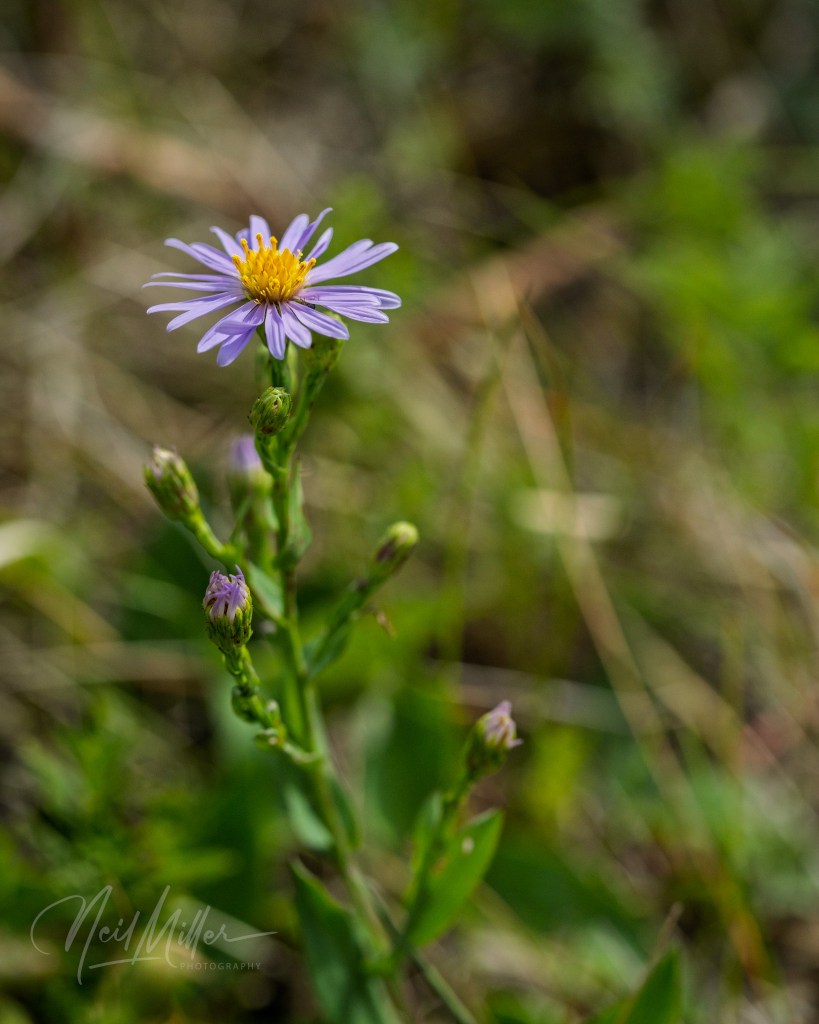
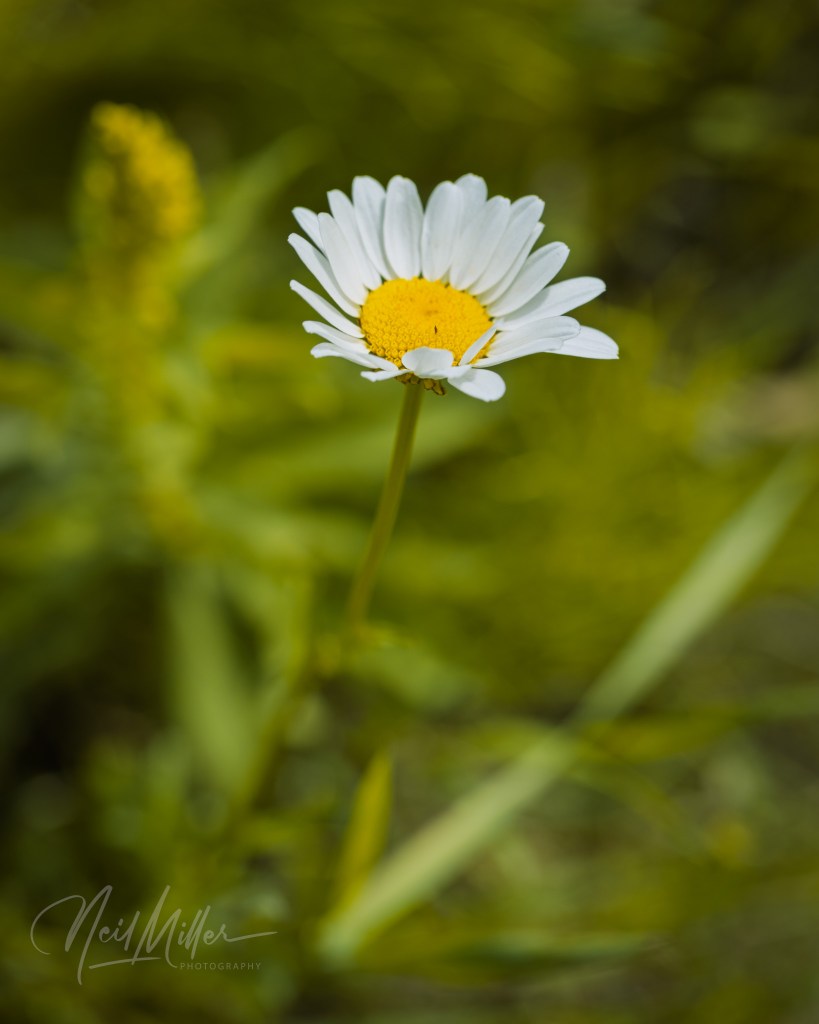
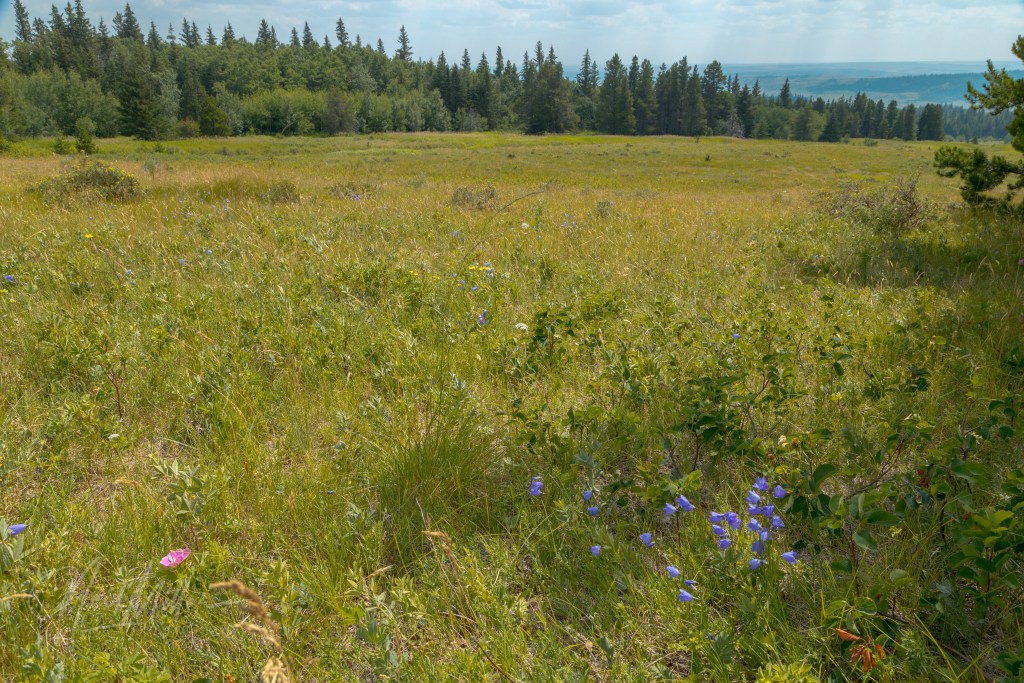
In addition to the wildlife, there were still lots of wildflowers blooming while I was there.




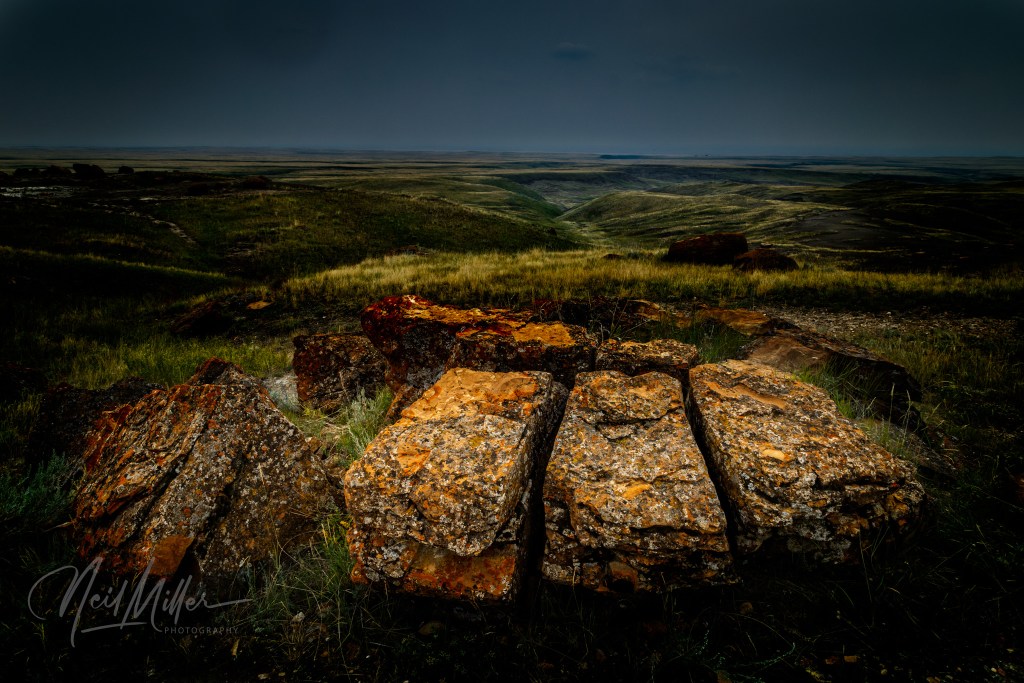
On my second day, I drove about an hour to Red Rock Coulee. The area does have an interesting assortment of red boulders. Unfortunately, it had rained a fair bit over the preceding few days. What looked to be solid ground was actually a very thin crust over an inch or two of wet clay. The wet clay had the same traction qualities as a layer of ball bearings. Not knowing of the dangerous footing ahead, I set off with my camera mounted on my tripod to an area from which I wanted to try a few photos. I took one step onto a patch of what looked like dry, solid footing and immediately went down, my camera and tripod bashing against a boulder. Covered in mud, my first thought was of my camera, which, fortunately, seemed to be OK, other than some wet clay on the lens and body. I gingerly regained some footing and managed to get one photo. Then it was a matter of very carefully picking my way back to some solid ground and back to the car. Needless to say, my exploration of this area was cut very short.
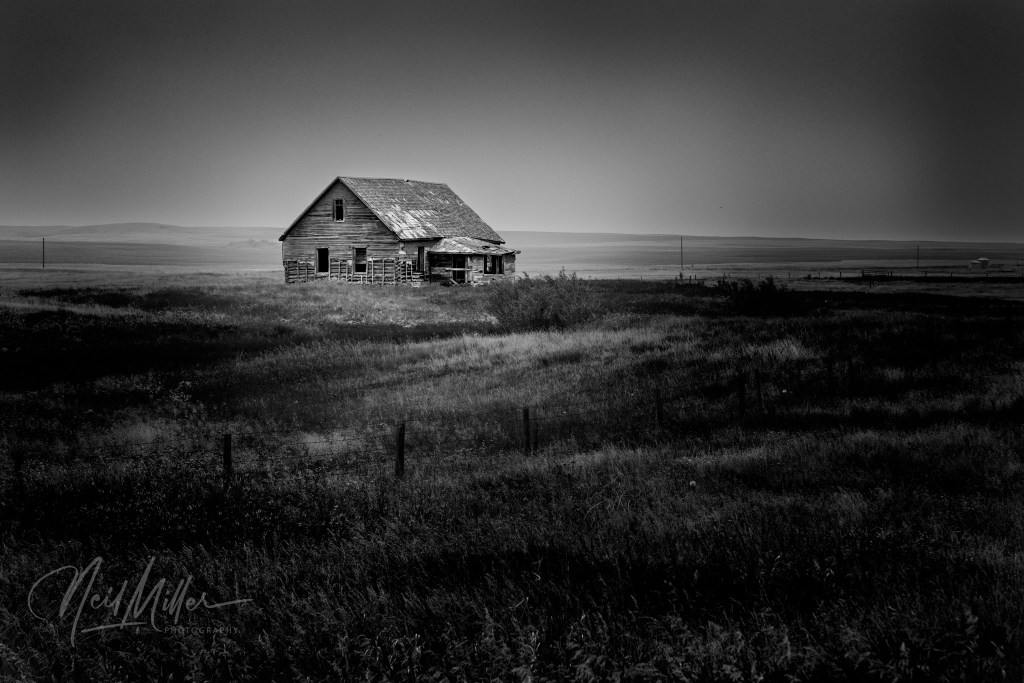
On my drive to and from Red Rock Coulee, though, I did come across a couple of interesting old buildings.

Near the Horseshoe Canyon Lookout is a small forestry museum which includes a fire lookout that once sat atop a 100′ tall tower.

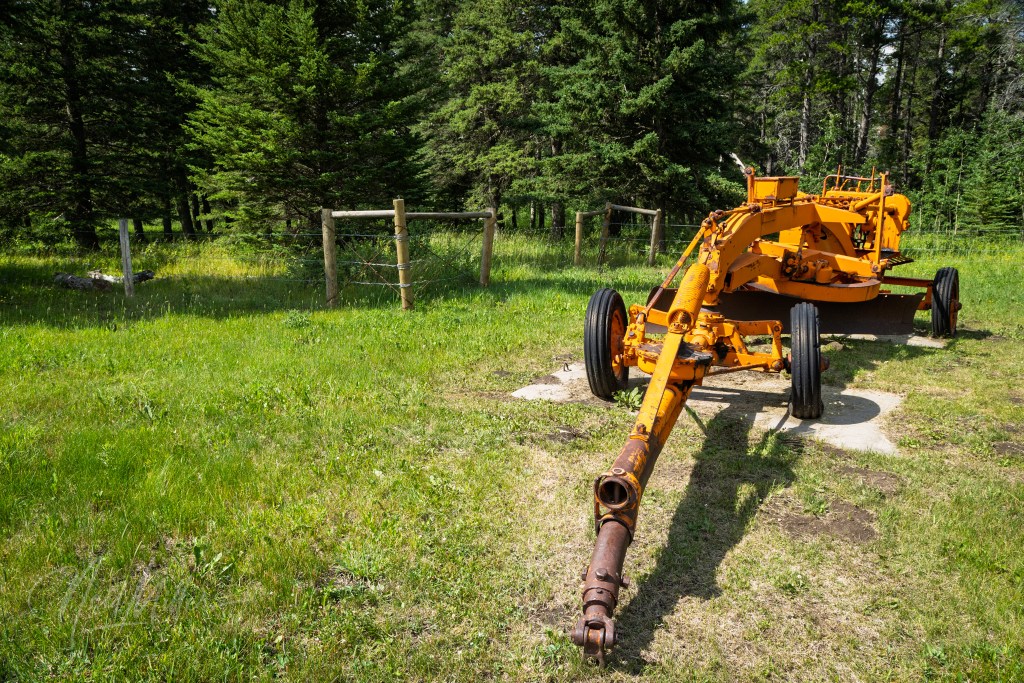

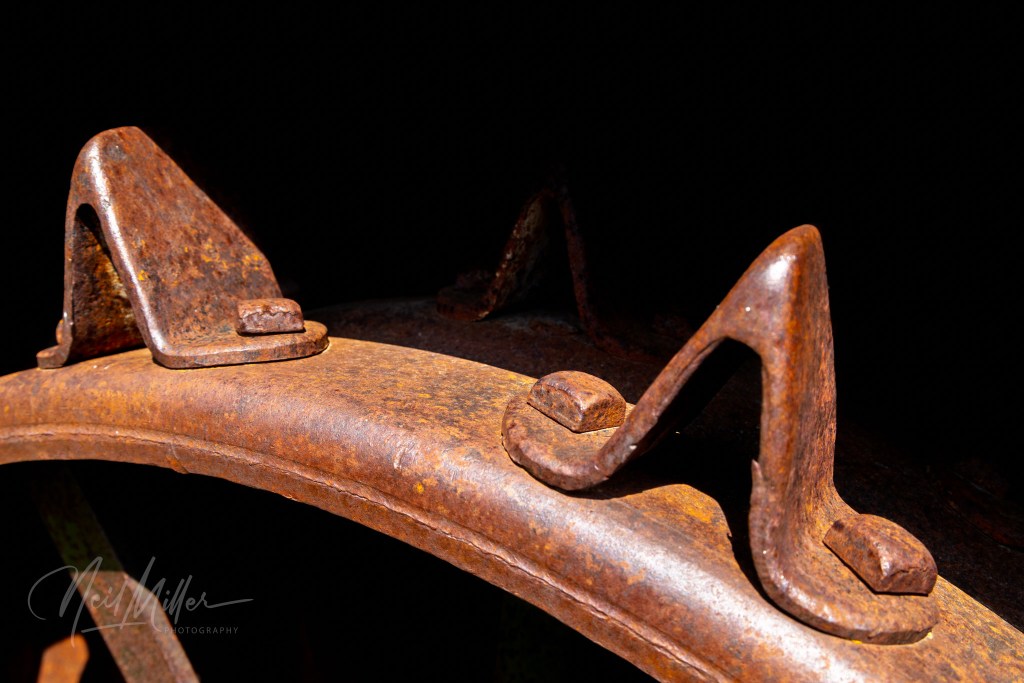
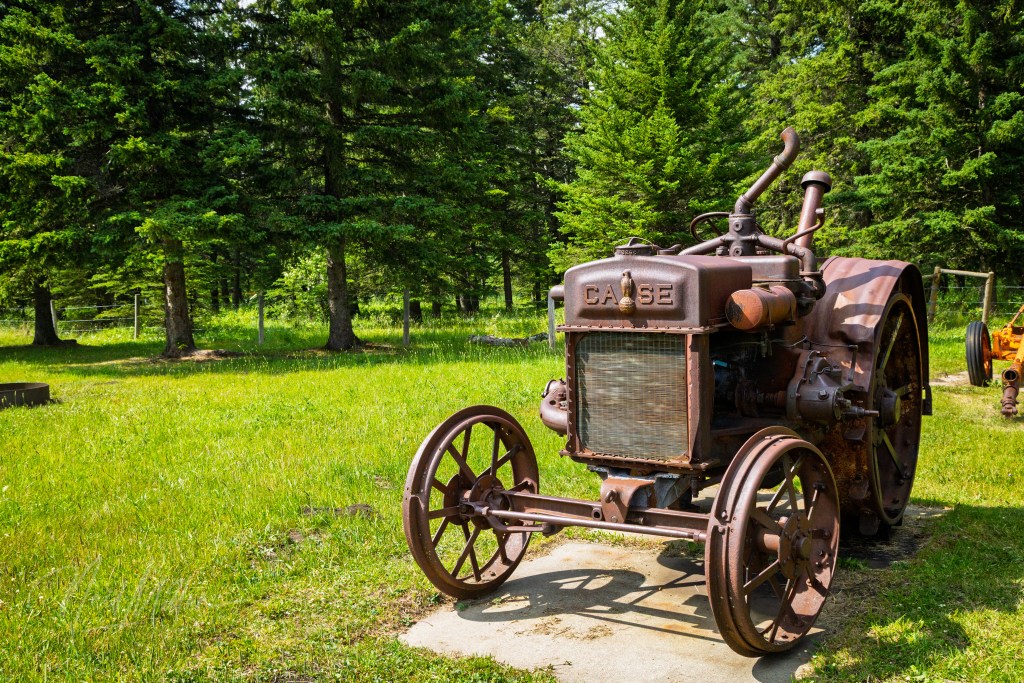
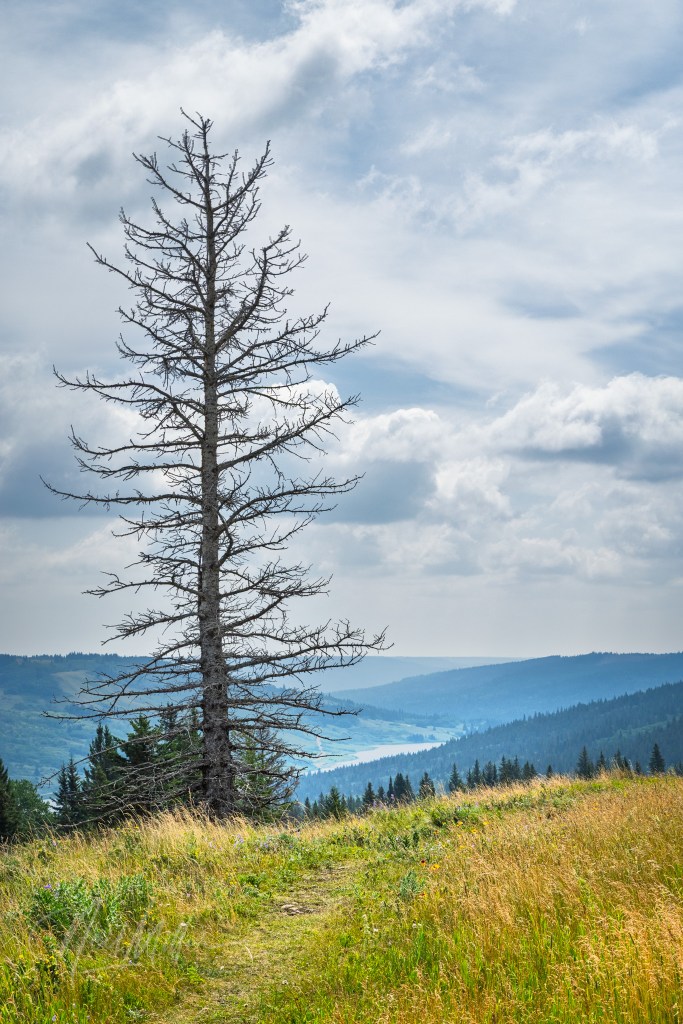
I’ll close this post with a several random photos from Cypress Hills.
 Wind At Your Back
Leave a comment