
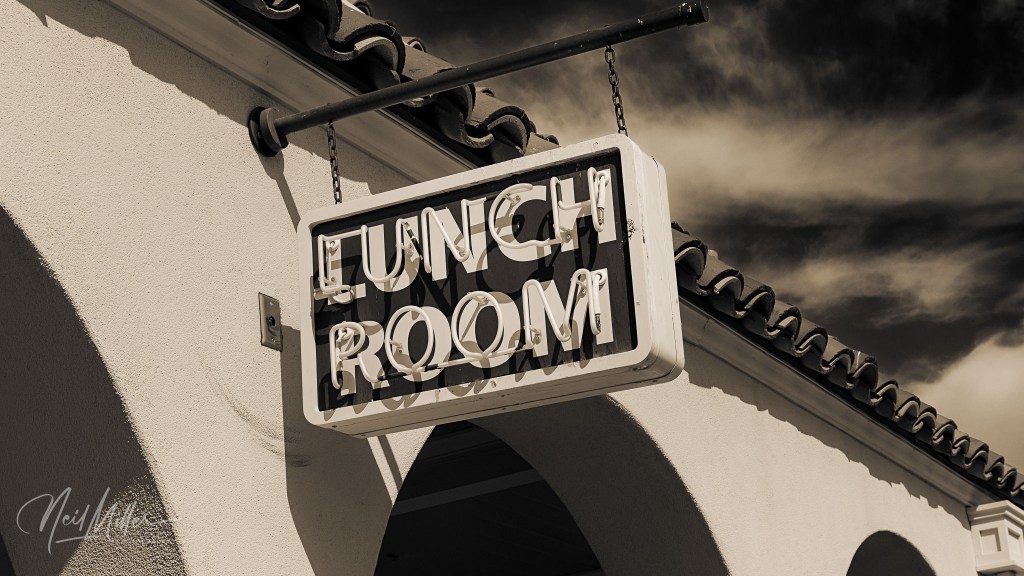
On our drive south every Fall, we turn off the interstate just south of Las Vegas and drive through the Mohave Desert. After several days of interstate traffic, this offers a peaceful drive on a quiet 2-lane road. Partway through this leg of our trip, virtually in the middle of nowhere, Kelso Depot has become a favorite spot for us to stop and enjoy a picnic lunch.
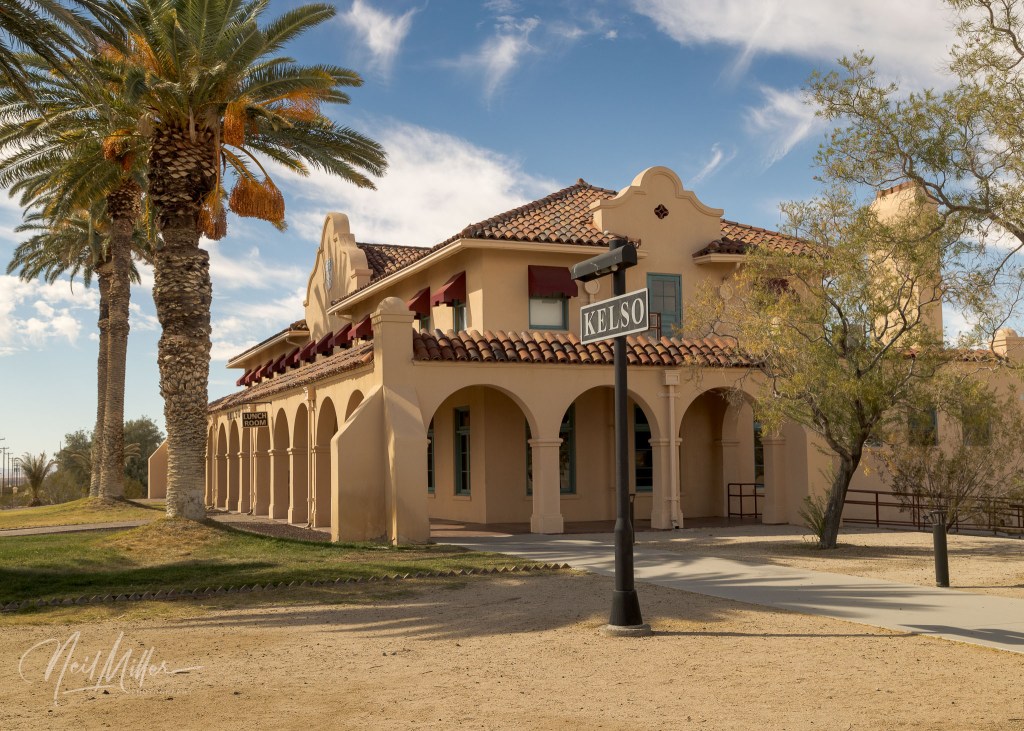
This isolated former train station actually has quite an interesting history. While Kelso now is a virtual ghost town, at one time it was a thriving community with a population, during World War II, of nearly 2000. So what made Kelso so important?
The story starts in 1900 when Utah Senator William A. Clark bought a small railway in Los Angeles. The plan was to build a rail line to Salt Lake City. In 1902, Union Pacific bought half the stock in the railroad. Construction began at both ends: Los Angeles and Salt Lake City. By 1905 the line had reached Siding #16 which was later renamed Kelso. By the end of that year, the railway stretched from Salt Lake City to LA. Union Pacific later bought out Senator Clark’s shares, giving them full ownership of a railroad that opened up markets in Southern California to the company.

In 1923, the “Kelso Clubhouse and Restaurant” was built to replace the original depot. The new depot provided a number of services for train passengers and rail workers, including a restaurant. However, from the start, Kelso’s real importance was its strategic location. West of Kelso a steep climb, all the way to Cima, necessitated adding additional engines to help trains make it up the grade. Steam engines required water, and Kelso was able to supply water from a nearby spring. As a result, Kelso became an important little rail town.
During World War II, Kelso gained even more importance. The war effort required steel to build ships. The Kaiser Vulcan mine, near Kelso, needed to ship the iron ore from its mine to steel mills. The ore was loaded onto trains at Kelso. During this time, the town population swelled to nearly 2000.
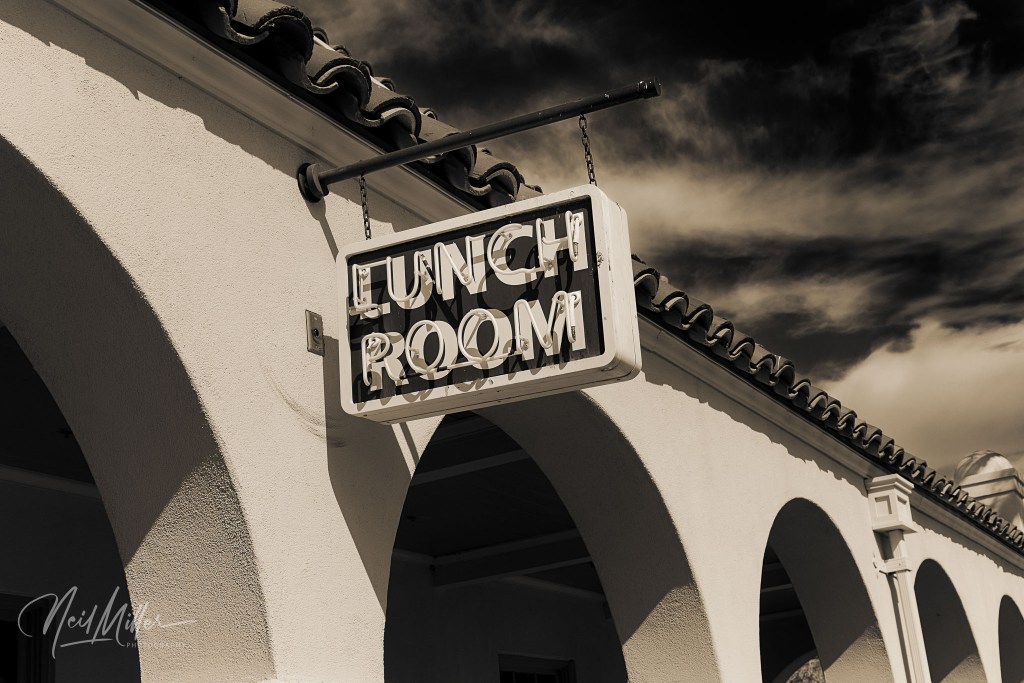
After the war, the mine soon closed, diesel engines replaced steam locomotives, and the importance of Kelso started to fade. Jobs and families moved out of the town and by 1962 the station no longer served as a depot, although the restaurant and boarding rooms still served remaining rail workers. By 1985, UP closed Kelso Depot entirely. Today, very little is left of the town of Kelso other than remnants of a couple old buildings, and, of course, Kelso Depot.

In more recent years, Kelso Depot was reborn as a National Parks Service Visitor Center for the Mohave National Preserve. The center closed a year ago for renovations but is expected to reopen in the Fall of 2025. In the meantime, the picnic tables outside provide a nice, peaceful spot to enjoy a bit of lunch.
Please click on the Photo Gallery tab at the top of the page to view more of my photography. While visiting my gallery, I invite you to sign up for my quarterly newsletter to be notified of updates to my gallery pages.


 Wind At Your Back
Leave a comment